Kitchen Renovation and NYC DOB Regulations: What Homeowners Need to Know
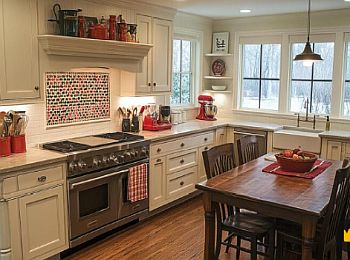
This guide explains when New York City kitchens need DOB permits and what rules apply to renovations
In New York City, a kitchen is a room used for cooking inside a dwelling unit and is treated as a habitable space. This means it must meet light, air, sanitation, and fire‑safety requirements under the NYC Housing Maintenance Code and NYC Building Code.
Kitchens must have:
- Natural light and ventilation, or a window and/or mechanical exhaust if it is a small kitchenette (under 80 square feet).
- A sink with running hot and cold water.
- Safe gas or electric connections for cooking appliances.
- Fire‑resistant materials near cooking equipment in kitchens built after July 14, 1967.
These rules help keep kitchens safe, sanitary, and comfortable for everyday use.
Kitchen renovations and permits
Quick rule:
If you change systems (plumbing, gas, electrical, ventilation, structure, or the room layout), a DOB filing is usually required. If you only change finishes (paint, cabinets, tiles, counters) and keep the same layout and connections, a filing may not be needed.
Common kitchen work – permit or no permit?
This simple table is only a guide. Always confirm with a design professional, Licensed Master Plumber, Licensed Electrician, or Licensed Contractor.
| Kitchen work (example) | Usually needs DOB permit? | Why it matters |
|---|---|---|
| Painting walls or ceiling | Usually no | Only changes finishes, not systems. |
| Replacing cabinet doors or fronts | Usually no | Layout stays the same; no plumbing or electrical change. |
| Removing and reinstalling cabinets in same locations | Often no | No change to plumbing, gas, or electrical, but building rules may still apply. |
| Replacing floor finish (similar thickness) | Often no | No structural change; watch for asbestos in older buildings. |
| Moving sink or dishwasher to a new location | Usually yes | Changes plumbing piping and connections. |
| Adding or relocating gas range | Usually yes | Changes gas piping; must be filed by Licensed Master Plumber. |
| Adding new electrical outlets or circuits | Yes | New wiring and circuits need electrical permits. |
| Installing a ducted hood with new vent penetration | Yes | Affects ventilation and sometimes fire‑rating of walls or ceilings. |
| Removing or changing a wall (especially load‑bearing) | Yes | Structural changes and layout changes trigger Alteration filings. |
Even when DOB does not require a filing for simple cosmetic work, your building, insurance, or contractor may still require paperwork for safety and liability.
Types of DOB filings for kitchens
Many full kitchen renovations are filed as an Alteration project in DOB NOW. In traditional DOB terminology, this is often called an ALT2 – interior renovation without changing use or occupancy.
- Alteration (ALT2 – interior renovation):
Used when you change walls, plumbing, gas, electrical, or ventilation inside the apartment, but do not change the use of the space or the number of dwelling units.
Prepared and filed by a Registered Design Professional (licensed architect or engineer). - Alteration‑CO (former ALT1):
Used when the work changes use, egress, or occupancy – for example, combining apartments or changing room layouts in a way that affects exits or legal use.
This filing can result in a new or amended Certificate of Occupancy.
Some smaller plumbing or gas jobs can be filed using a Limited Alteration Application (LAA).
- LAA:
A simpler filing for limited plumbing or gas work that does not include major construction.
Filed by a Licensed Master Plumber and commonly used for modest changes to kitchen plumbing or gas appliances.
Most electrical work in a kitchen, beyond simple appliance replacement, is filed as an electrical permit in DOB NOW: Build. A Licensed Electrician typically files this (for example, on ED16A) when adding circuits, outlets, or dedicated lines for major appliances.
Asbestos and older kitchen materials
In many older NYC buildings, certain kitchen materials (plaster, floor tiles, adhesives, pipe insulation) may contain asbestos. Before a permitted renovation, DOB and NYC DEP often require an asbestos investigation and paperwork such as ACP‑5 or ACP‑7, completed by a DEP Certified Asbestos Investigator.
Basic points for ESL readers:
- Buildings built before April 1, 1987 are more likely to need formal asbestos review.
- Buildings built after that date may qualify for exemptions, but documentation is still important.
- Asbestos rules are separate from DOB permits, but can delay or block your kitchen project if not handled correctly.
Always ask your architect, contractor, or building manager how asbestos rules apply to your specific apartment and building.
Building approvals vs city permits
In co‑ops and condos, there are two tracks:
- Board or owner approval:
House rules or an alteration agreement often control what you can do in your kitchen and may require submissions (plans, insurance certificates, contractor licenses) even for “cosmetic” work. - City permits (DOB, LPC, DEP, etc.):
These approvals focus on code safety, structure, systems, and historic protection for landmarked buildings.
Your project may need:
- Board approval even when DOB does not require permits.
- DOB permits even when the board allows the work.
Treat these as separate steps and keep written records from both sides.
What if you do kitchen work without permits?
Starting a kitchen renovation that needs permits without proper filings can lead to DOB violations. In serious cases, these can be classified as higher‑level violations, with fines that can reach tens of thousands of dollars and orders to remove or legalize the work.
Unpermitted kitchen work can also:
- Delay a sale or refinance because open violations or unresolved permits appear in records.
- Require expensive corrective work later, including new filings and inspections.
For more on violation types and penalties, see violation* in this Encyclopedia.

NEXT STEP
Sponsored Information
Good to know
This page is for general education only and is based on public New York City sources when available. Some technical and legal terms are simplified into plain English to help homeowners and ESL readers. It is not legal advice, and it does not replace guidance from a licensed professional. NYC construction and safety rules change often, and your project may have extra DOB*, OSHA*, or local requirements. Before you start work, always check current rules with a licensed design professional or directly with the NYC Department of Buildings.


If you see any capital letter abbreviations on this page or in an official letter you received from the city and you do not understand them, you can try to look them up on our NYC Violation Codes HUB page with the search tool.
Revised