The Multiple Dwelling Law (MDL)
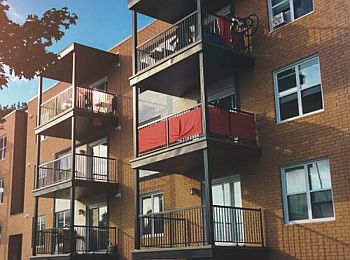
The Multiple Dwelling Law (MDL) is a New York State statute that defines “private dwellings” (1–2 families) and “multiple dwellings” (3+ families) and then imposes detailed rules on the design, safety, light and air, fire protection, and occupancy of multiple dwellings, especially in cities like New York City. It divides multiple dwellings into Class A (permanent residence, 30 days or more) and Class B (transient, like hotels and certain rooming houses), and each class has different requirements and enforcement consequences.
Why MDL matters with DOB
For residential buildings, MDL provisions sit “on top of” the NYC Building Code and Zoning Resolution: DOB must enforce MDL requirements when it reviews plans, issues Certificates of Occupancy, or handles conversions and violations in multiple dwellings. For example, when a non‑residential building is converted to residential use, the number of units, light and air standards, and some high‑density rules are governed by MDL sections such as MDL § 277, which DOB and zoning guidance explicitly reference.
Multiple Dwelling Violations
Under the Multiple Dwelling Law, violations are issued when a building fails to meet the minimum standards required for multiple dwellings. These violations are typically enforced by the NYC Department of Buildings (DOB) or the Department of Housing Preservation and Development (HPD), depending on the nature of the condition. Common violations include deficiencies in fire safety, structural integrity, plumbing, heating, ventilation, and egress. MDL violations can result in civil penalties, stop-work orders, and — in severe cases — vacate orders that displace tenants until conditions are corrected.

NEXT STEP
NEW YORK STATE MULTIPLE DWELLING LAW
Good to know
This page is for general education only and is based on public New York City sources when available. Some technical and legal terms are simplified into plain English to help homeowners and ESL readers. It is not legal advice, and it does not replace guidance from a licensed professional. NYC construction and safety rules change often, and your project may have extra DOB*, OSHA*, or local requirements. Before you start work, always check current rules with a licensed design professional or directly with the NYC Department of Buildings.


If you see any capital letter abbreviations on this page or in an official letter you received from the city and you do not understand them, you can try to look them up on our NYC Violation Codes HUB page with the search tool.
Revised