Fence Violation in NYC
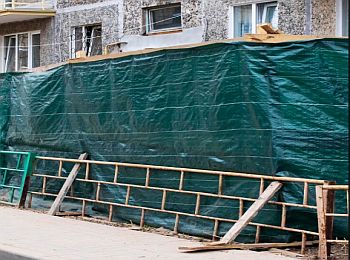
A fence violation in NYC can happen when a permanent property fence is too high, placed where zoning does not allow it, built without a required DOB* filing, or maintained in an unsafe condition. Rules can differ between front yards, side yards, rear yards, corner lots, and different zoning districts.
Important: 6 Feet Is Not Always Allowed
For many one- and two-family homes, NYC does not require a DOB permit for a permanent fence that is 6 feet high or lower. However, zoning can impose a lower limit. In residential front yards, a fence may be limited to 4 feet. A fence that does not need a DOB permit can still violate zoning rules if it is too high or located in the wrong place. Check the property’s zoning and yard location before installation.
For NYC homeowners: what this means
- Front-yard fences may have a lower height limit. In many residential situations, the front-yard limit is 4 feet, even where a taller fence may be allowed elsewhere on the property.
- Rear and side-yard rules can be different. The maximum permitted height can depend on your zoning district, whether the property is a corner lot, and where the fence sits on the lot.
- A fence over 6 feet may need DOB approval. For a one- or two-family home, a permanent fence of 6 feet or less generally does not need a DOB permit, but a taller fence or a fence at another type of property may require a filing.
- Do not assume a 10-foot limit applies to your home. The Building Code has a general maximum of 10 feet, but NYC zoning rules often impose lower limits for residential properties.
- Check property lines before building. A fence dispute with a neighbor can involve private property boundaries, encroachments, easements, or survey issues. DOB rules do not decide ownership of a boundary line.
- Unsafe or damaged fences can create enforcement issues. A leaning, collapsing, broken, or hazardous fence may lead to a complaint, inspection, notice, or required correction.
Common reasons for a fence violation
- The fence exceeds the height allowed for its location or zoning district.
- A front-yard fence is higher than the applicable front-yard limit.
- The owner installs a fence that requires DOB approval without first obtaining the required approval or permit.
- The fence blocks required visibility, access, a sidewalk area, or another protected location.
- The fence is damaged, unstable, leaning, or otherwise unsafe.
- The fence extends beyond the owner’s property line or creates a dispute about the boundary.
Permanent fence or construction fence?
This guide is mainly about a permanent residential property fence, such as a fence in a front yard, side yard, rear yard, or around a home. A temporary fence around construction or demolition work follows separate NYC Building Code rules under BC 3307.7. Temporary construction fences can involve requirements for height, viewing panels, maintenance, project signs, and approved colors.
Temporary construction fence: If your notice refers to a construction site, demolition job, sidewalk shed, viewing panels, hunter green, metallic gray, white, or BC 3307.7, it may concern a temporary construction fence rather than your permanent yard fence.

NEXT STEP
Check NYC guidance before building or changing a permanent residential fence
Good to know
This page is for general education only and is based on public New York City sources when available. Some technical and legal terms are simplified into plain English to help homeowners and ESL readers. It is not legal advice and does not replace advice from a licensed professional. NYC building and zoning requirements can change, and your property may have additional landmark, floodplain, utility, easement, or local requirements. Before building, replacing, or changing a fence, verify current requirements with NYC Department of Buildings, NYC Department of City Planning resources, a New York State licensed design professional, or a licensed land surveyor when property boundaries are uncertain.


If you see capital-letter abbreviations in an official City notice and do not understand them, visit our NYC Violation Codes HUB and use the search tool.
Revised
Need more help?
Are you trying to understand a fence notice or violation you received from NYC? Contact IQarius for a free 15-minute educational call. We can help you identify the document, organize questions to ask, and find the right type of qualified professional when needed.