NYC DOB Building Inspector, HPD Housing Inspector or Special or Progress Inspector
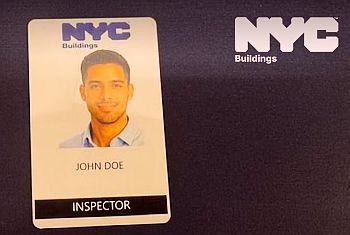
NYC inspectors visit buildings to check if they are safe and follow city rules. As a homeowner, you can receive an unannounced visit after a complaint, during renovations, or as part of a routine safety check. Their goal is to spot problems early and prevent accidents.
DOB* inspectors focus on construction, zoning, and big fixes like plumbing or electrical work.
HPD* housing inspectors usually check rental apartments and homes for heat, hot water, pests, leaks, lead paint, and smoke or carbon monoxide detectors.
Main Types of NYC DOB Inspectors
When people say “DOB inspector,” they may mean different city staff with different jobs. As a homeowner, you can meet several main types:
- Development inspectors – check permitted construction work (for example, new buildings, major alterations, plumbing, electrical, signs, or fire suppression). They compare the work on site to approved plans and NYC Construction Codes and record results in DOB NOW: Inspections and BIS*.
- Enforcement / complaint inspectors – respond to 311 complaints and suspected illegal or unsafe work. They visit the property to see if there is unpermitted construction, unsafe structures, blocked exits, or other code violations and can issue violations or Stop Work Orders (SWO*).
- Specialty and periodic inspectors – work in units focused on equipment and systems such as boilers, elevators, gas piping, or façade safety. They check if required tests and reports are filed and whether the equipment is installed, maintained, and operated safely.
- Emergency response inspectors – part of DOB emergency teams that respond to serious incidents like collapses, unsafe facades, major structural damage, or other urgent hazards. They can restrict use of a building and order emergency repairs when needed.
All of these are DOB inspectors, but they may look at different parts of your building and use different forms and procedures. The special and progress inspectors described later are usually private professionals hired by the owner, not city staff.
Notice to inspect (inspection warning)
Sometimes the first contact from an inspector is not a knock on the door but a written “Notice to Inspect” or “Inspection Warning” left at the property or mailed to the owner. This notice usually explains why the city wants to enter (for example, a 311 complaint or suspected unpermitted work), and gives a short deadline to call, email, or schedule an appointment. If you ignore the notice, the inspector can return, issue violations for failure to provide access, and in serious cases the city may ask a judge for a warrant to enter the building. Always read the notice carefully, respond before the deadline, and talk to a licensed design professional or attorney if you are not sure what the city is asking you to do.
Common Homeowner Interactions
Inspectors can show up unannounced for 311 complaints from neighbors or tenants about unsafe conditions. Homeowners must provide access to common areas when required by law and fix issues like broken stairs or exposed wires, or face fines and violations. If you want to see what happens during a typical DOB field visit step by step, including how inspectors write violations and talk to owners, read NYC DOB Inspector at work.
What Happens During Visits
During a visit, an inspector walks through the building, checks permits, and compares the work to the approved plans. They look for blocked exits, illegal work, unsafe structures, and missing safety devices like guards, railings, or gas shutoff valves. If they find a problem, they explain it on the spot and issue a written report with a deadline to fix it. A homeowner must then hire a licensed contractor to correct the issue and request a re-inspection to close the violation.
What should a homeowner do when an inspector visits?
An inspector visit can feel stressful. A few simple steps will help you stay safe and avoid violations.
- Keep all active permits posted and visible on the job site.
- Do not block the inspector’s access to common areas, the basement, or the roof.
- Stay calm and polite. You can ask the inspector to explain any concern.
- Write down every issue the inspector mentions during the visit.
- If the inspector issues a violation*, hire a licensed contractor to fix it before the deadline.
- After the work is done, request a re-inspection to confirm the violation is cleared.
- Do not start new construction or repairs without a permit* — this is the most common reason for a stop-work order (SWO*).
Real Example from NYC: A DOB Warning Left at the Door
In June 2026, a Brooklyn family found a notice attached to their front door. The notice said it was a DOB inspection warning. It told them to call and schedule an appointment within 72 hours. It also said that if they did not respond, the city could apply for a search warrant to enter the property.
The family was doing renovation work inside the house. They did not have the proper building permits for that work. A neighbor had filed a complaint with the city. This is one of the most common reasons a DOB inspector visits without a prior appointment. The homeowner shared the situation on social media and received many replies. Some of the advice was helpful. Some of it was not safe to follow.
Do Not Ignore a DOB Warning — It Will Cost You More
Some people online say: “just ignore it” or “never open the door.” Do not listen to this. If you ignore a DOB warning, the inspector returns. If you block access twice, the city can go to a judge and get a court order to enter your property by force. Unpermitted work means fines of $6,000 to $10,000 per violation — and there can be more than one. Every day you wait, the risk grows.
Source: Community discussion on Reddit r/Brooklyn, June 2026 — read the original post at reddit.com/r/Brooklyn/comments/1txahwg/dob_inspection_warning. This example is shared for educational purposes only. It shows a real situation that many NYC homeowners face. Iqarius does not endorse advice posted in online community forums.
Progress and Special Inspectors: What Homeowners Need to Know
In many projects, the homeowner must also work with a progress inspector or a special inspector, in addition to the DOB inspector who comes to the property. A progress inspector is usually an architect or engineer hired by the owner to check the job at key stages and confirm that the work on site matches the approved plans. Their reports and forms (for example TR8 for energy code) are filed with DOB and are needed before DOB can fully sign off the work.
A special inspector works for a DOB‑registered Special Inspection Agency and reviews specific high‑risk items such as structural steel, concrete, fireproofing, or other critical systems. They make sure these parts of the project follow the approved construction documents and the NYC Construction Codes. After all required special and progress inspections are completed and acceptable, the Special Inspection Agency issues a signed and sealed Technical Report (TR1). This report is filed with DOB and is often required before DOB will approve final sign‑off, issue a Certificate of Occupancy, or close related construction violations.
For homeowners, this means that clearing some DOB violations is a two‑step process: first fix the unsafe condition with licensed professionals, and then make sure all required progress and special inspections are done and reported so DOB can officially remove the violation from its records.

NEXT STEP
See how inspectors work in real NYC examples
Good to know
This page is for general education only and is based on public New York City sources when available. Some technical and legal terms are simplified into plain English to help homeowners and ESL readers. It is not legal advice, and it does not replace guidance from a licensed professional. NYC construction and safety rules change often, and your project may have extra DOB*, OSHA*, or local requirements. Before you start work, always check current rules with a licensed design professional or directly with the NYC Department of Buildings.



If you see any capital letter abbreviations on this page or in an official letter you received from the city and you do not understand them, you can try to look them up on our NYC Violation Codes HUB page with the search tool.
Revised