What Every Homeowner Should Know About the Gas Meter (and Violations in NYC)
Gas meter safety, maintenance, and NYC rules
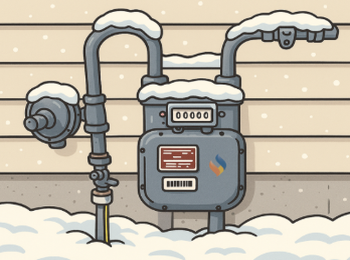
Gas meters measure how much natural gas you use in your building so the gas company (for example, Con Edison) can bill you correctly and keep the system safe. In New York City, gas meters must be installed in safe, accessible locations and protected from damage, fire, and flooding. If the gas meter area is unsafe or blocked, inspectors can issue violations and your gas service can be shut off.
In New York City, gas meters must usually be located in ventilated spaces, such as outside, in basements, or in garages, where gas can safely escape if there is a leak.
How inspectors expect the gas meter area to look
Inspectors expect gas meters to remain in clean, dry locations. Owners should keep the area around gas meters clear and easy to reach. Do not block meters with furniture, stored items, or construction materials, and do not paint, cover, or tamper with them.
Do not keep things that can burn, like gasoline, paint, propane tanks, cardboard boxes, or trash, near gas meters. Natural gas piping can leak near the meters, especially at joints and valves, so keeping flammable items away reduces the risk of fire or explosion. During inspections, unsafe storage near gas meters is often reported as a violation.
Note
If the GPS2 form is not filed on time with the NYC Department of Buildings, the building owner can be fined $5,000. In many multifamily buildings, a licensed plumber or design professional helps the owner prepare inspection reports and file GPS2 forms on time. However, if you own a one- or two-family home (such as a house or a two-family dwelling), you are generally not required to follow this rule and do not need to worry about this deadline.
Access and Inspection Duties (What inspectors look for)
The gas company and licensed plumbers must be able to see and access the meters for readings, inspections, and repairs. If they cannot reach the meter because of stored items, locked rooms, or blocked areas, you may receive violation notices, extra fees, or have your gas service shut off.
Local Law 152 of 2016 requires periodic gas piping inspections in many multi‑family buildings. One‑ and two‑family homes that do not have any commercial space are generally exempt from these periodic inspections, but owners must still keep gas meters and piping in safe condition.
Natural gas by itself has no smell, so gas companies add a chemical called mercaptan that makes it smell like rotten eggs. If you smell this strong gas odor near your gas meter or inside your building, do not use light switches, phones, or any electrical devices, and do not try to find the leak yourself. Leave the building immediately and call 911 or your gas company from outside, at a safe distance.
Need help understanding gas meter inspections and violations in NYC?
In a free 15‑minute phone or online consultation, we can walk you through:
- Simple, real‑life scenarios, such as moving a gas meter to a safer location, correcting unsafe storage around the meter, or legalizing previous gas piping changes, so you understand which situations usually trigger inspections, DOB permits, and utility approvals.
- What you should do first before you call a plumber, architect, or contractor, including collecting basic documents for your property, checking your Certificate of Occupancy, and looking up your zoning and any existing DOB gas or safety violations.
- The typical step‑by‑step path for a gas‑related homeowner project: early feasibility checks, design and plans where needed, DOB NOW filing, utility coordination, inspections, and closing out permits and violations.
This brief consultation is educational and focused on NYC homeowners, not corporations, and can help you decide whether your gas meter or gas piping idea is realistic under current NYC Building Code and gas safety rules. If you are interested, contact us at iqarius@iqarius.com or call (718) 326‑8653 to request your free gas system overview session.

NEXT STEP
See also detailed technical provisions in the NYC Fuel Gas Code, Chapter E
Good to know
This page is for general education only and is based on public New York City sources when available. Some technical and legal terms are simplified into plain English to help homeowners and ESL readers. It is not legal advice, and it does not replace guidance from a licensed professional. NYC construction and safety rules change often, and your project may have extra DOB*, OSHA*, or local requirements. Before you start work, always check current rules with a licensed design professional or directly with the NYC Department of Buildings.


If you see any capital letter abbreviations on this page or in an official letter you received from the city and you do not understand them, you can try to look them up on our NYC Violation Codes HUB page with the search tool.
Revised